3D Printing
NinjaSlice 3D
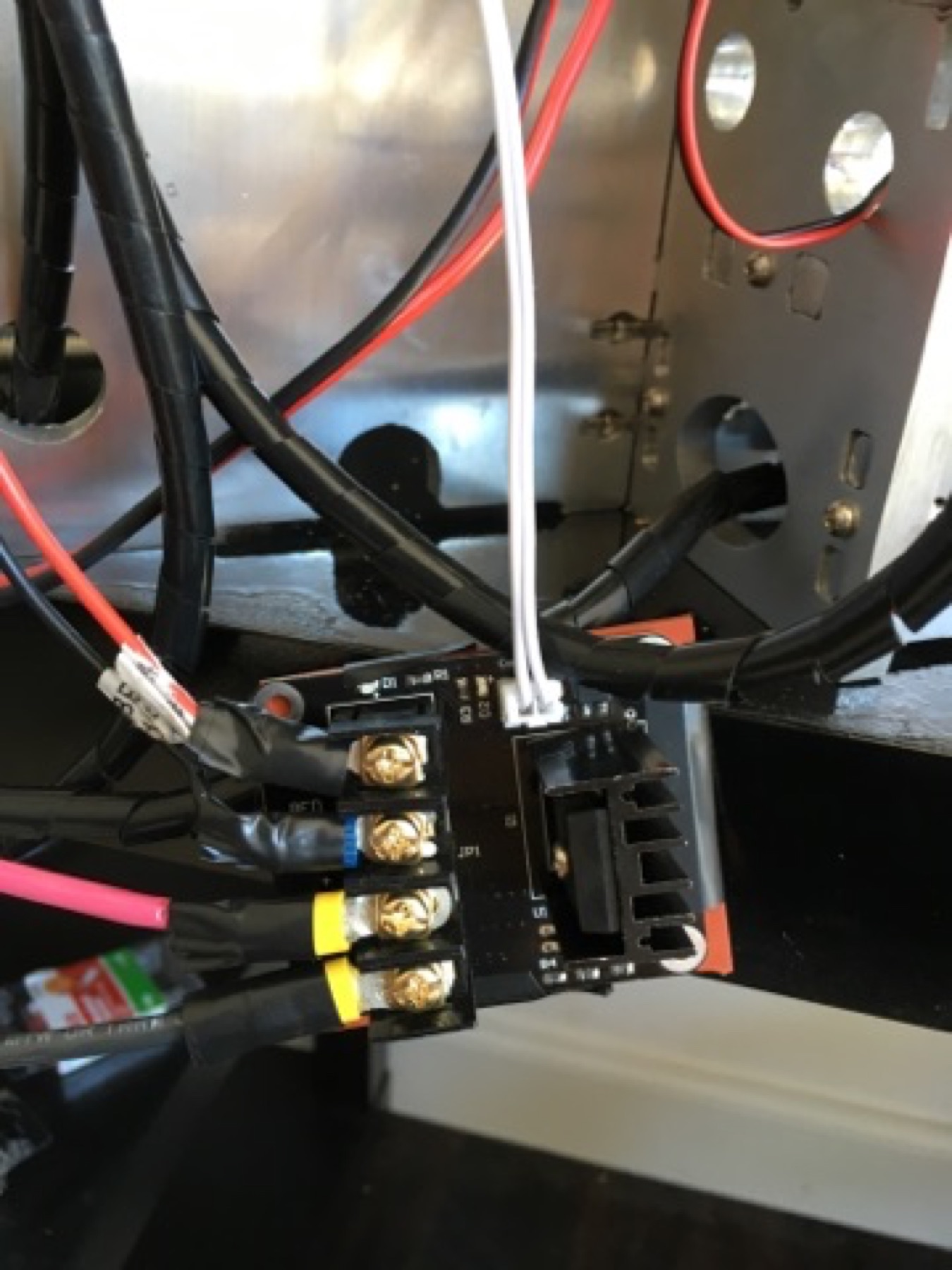
NinjaSlice 3D is a self-contained 3D printer and enclosure modeled after the popular Prusa i3 and its many clones. I created this 3D printer to enable rapid prototyping in my design work and to exercise my design, machining, and electronics skills.
The heated build plate, adjustable build surface material, enclosure, and direct MK8 extruder system have allowed me to print a wide range of materials including PLA, ABS, PETG, HIPS, PVA and TPU. Depending on the most appropriate surface for the current print’s filament type, I can alternate between glass, aluminum, and PEI build surfaces with whatever adhesive additives such as glue, hairspray, or ABS slurry may be appropriate.
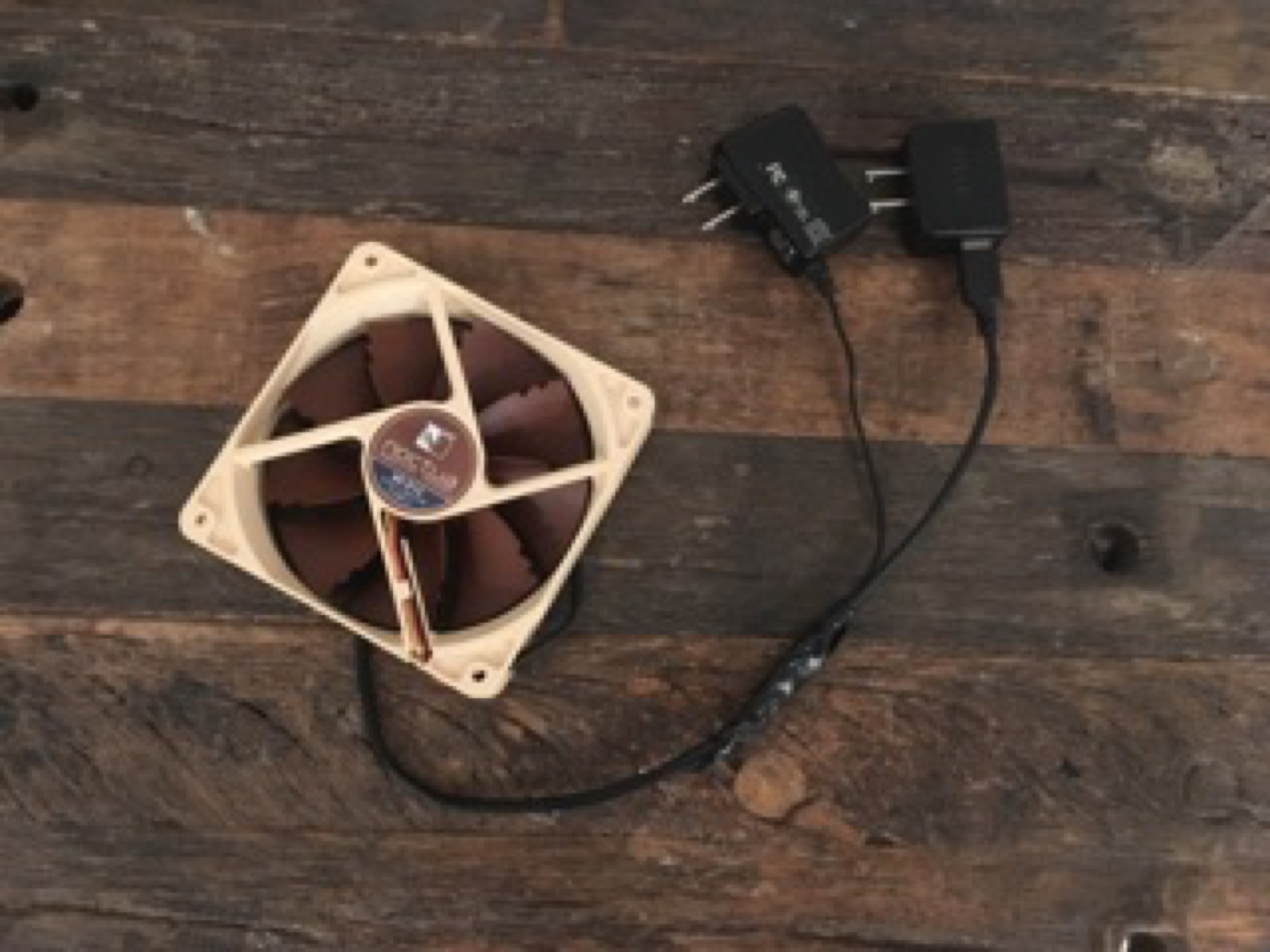
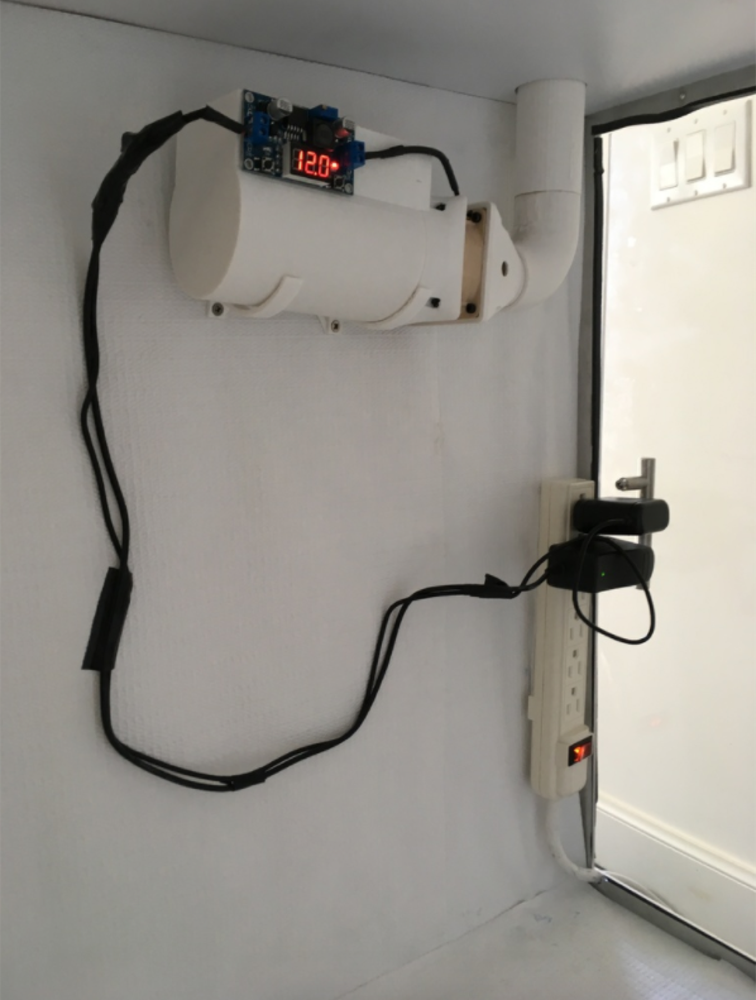
The heated build plate and enclosure also limit warping, which proves critical for materials with high thermal coefficients such as ABS. A direct, overhead filament loading scheme from spool holders resting on the top of the enclosure ensures a steady filament flow rate while an air filtration system limits VOC and ultra-fine particle emissions.
Prints
Prints by NinjaSlice 3D of publicly available models. Sliced using Simplify3D and Cura 2.4
All prints shown here are licensed under Creative Commons - Attribution or Creative Commons - Attribution - Non-Commercial licenses and are credited accordingly. I do not claim any ownership of these designs but retain the rights to these images under the Creative Commons - Attribution - Non-Commercial license agreement. These prints are meant to demonstrate my understanding of the use, maintenance, and enhancement of 3d printers and their associated control software as well as post-processing techniques.
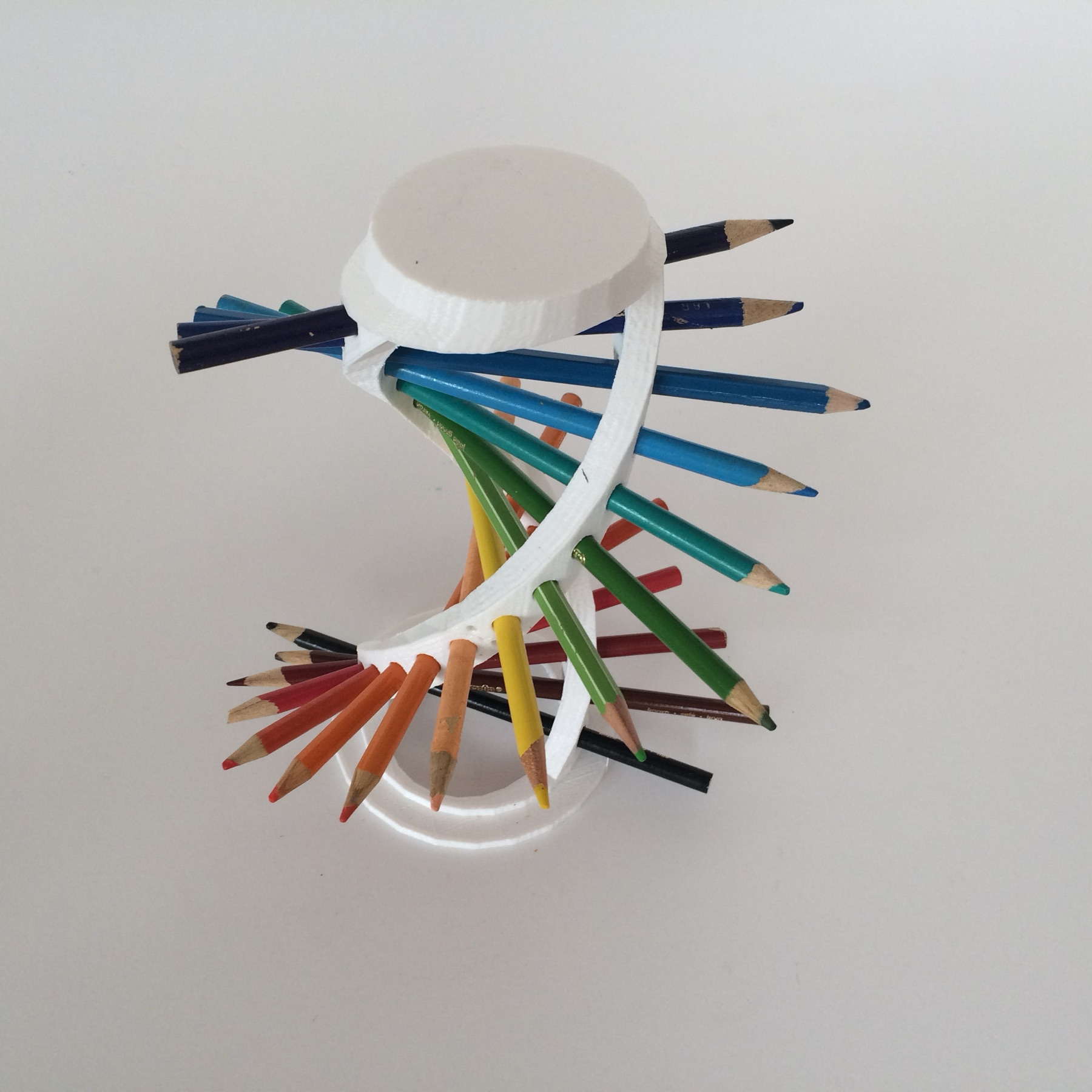
Pencil Holder design by Thingiverse user Jimbotron
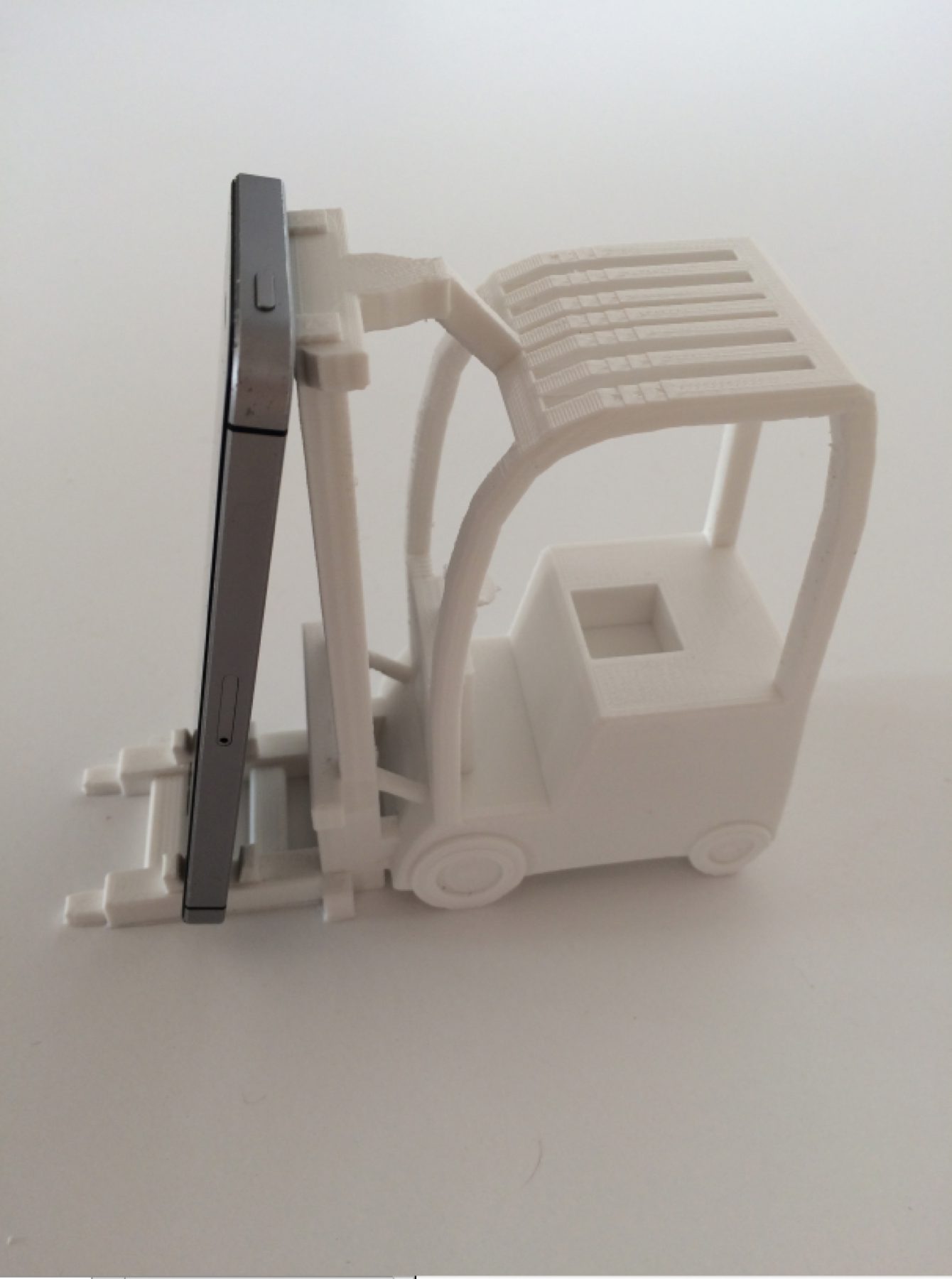
Phone Holder design by Thingiverse user Unfilterd
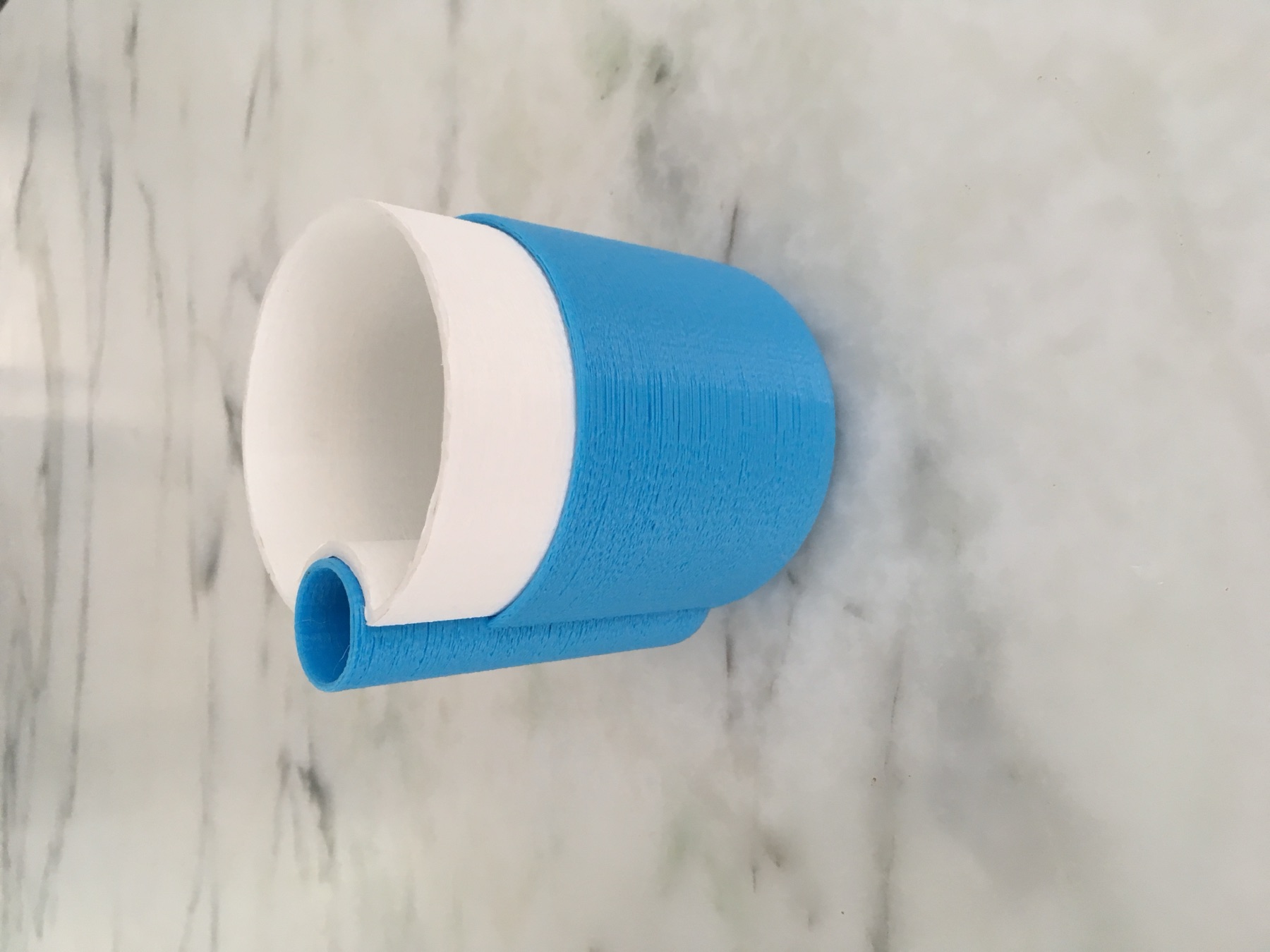
Waterer design by Thingiverse user Parallel Goods
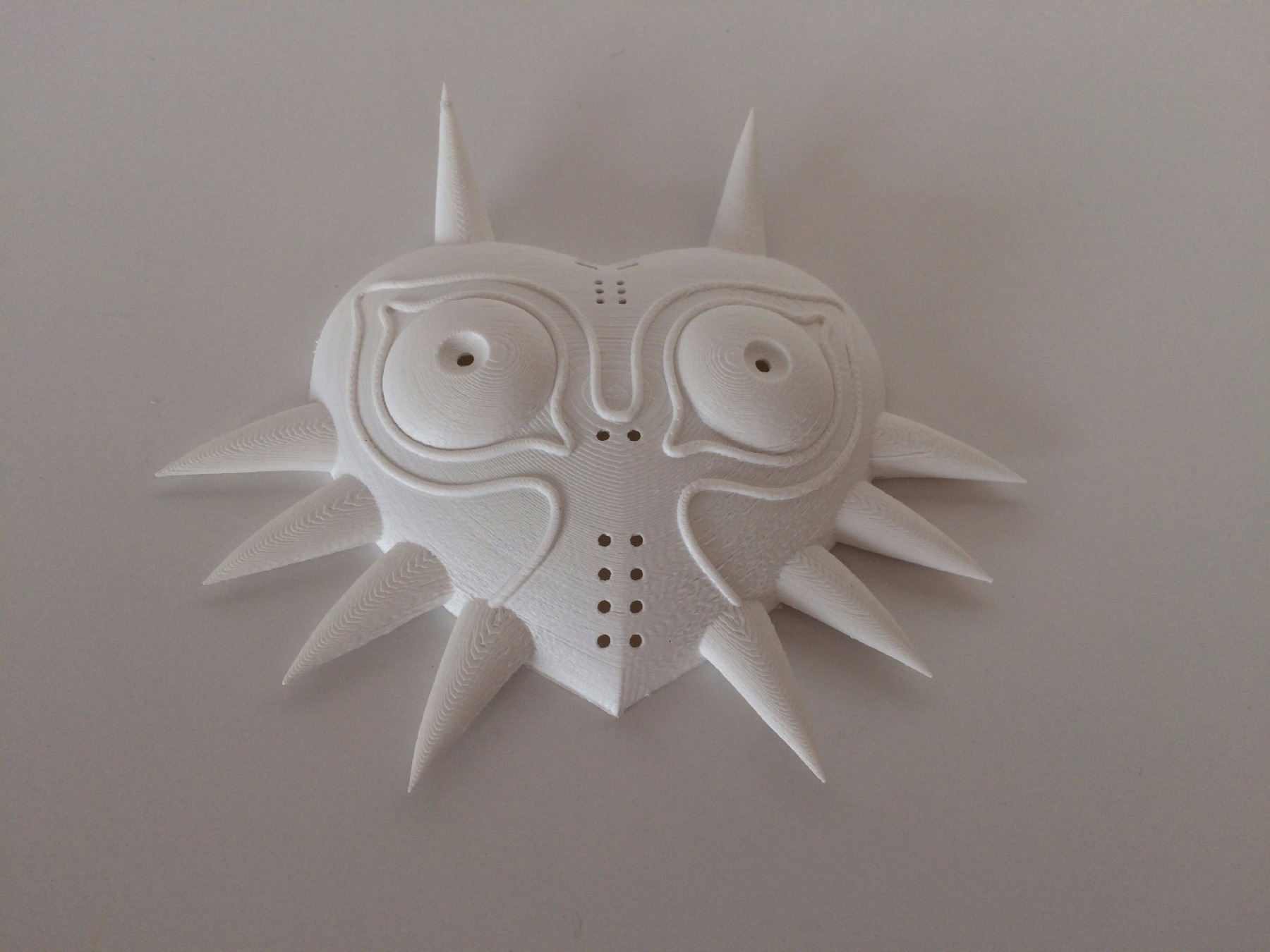
Majora’s Mask design by Thingiverse user ferreusveritas
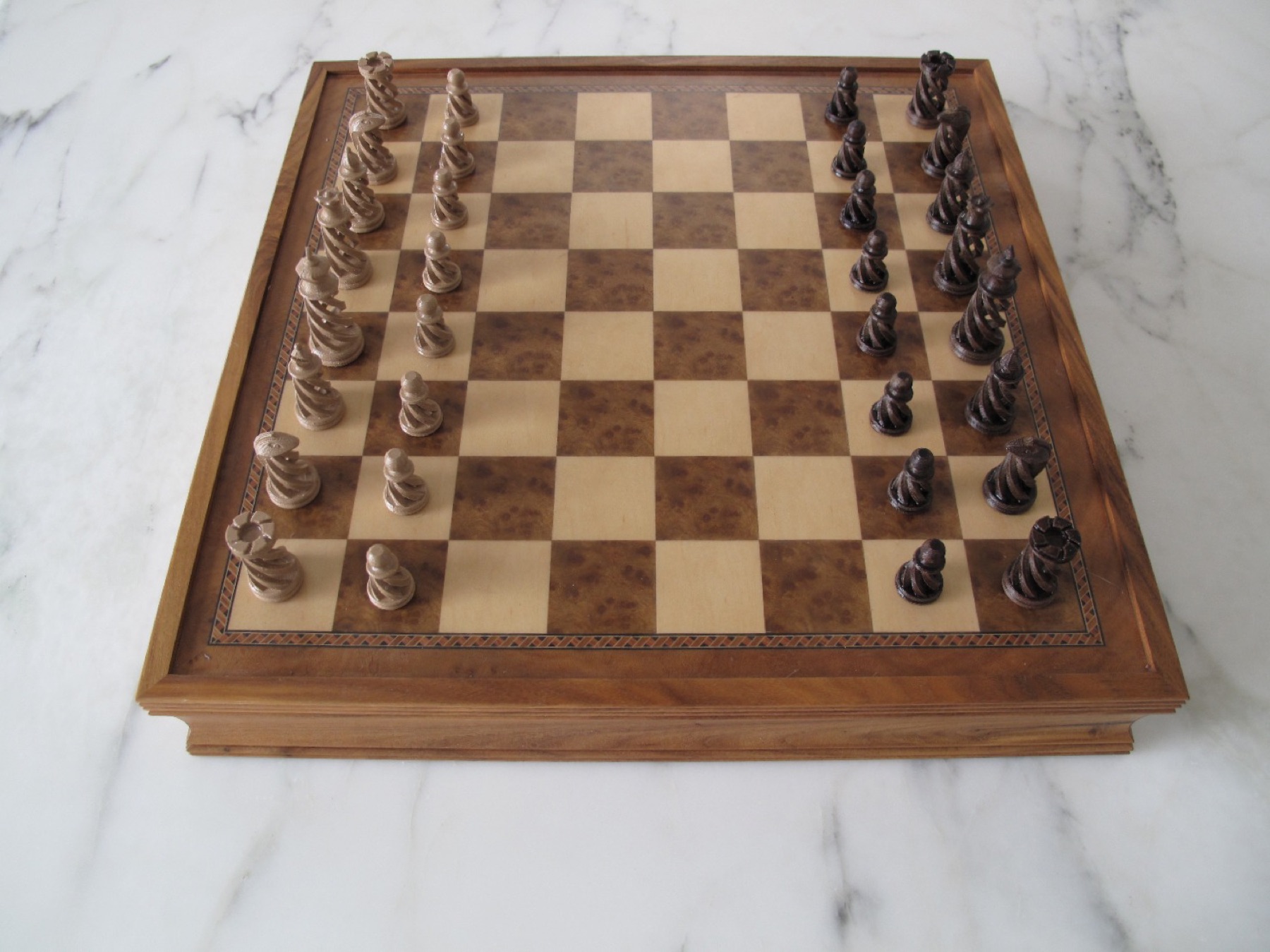
Chess design by Thingiverse user BigBadBison
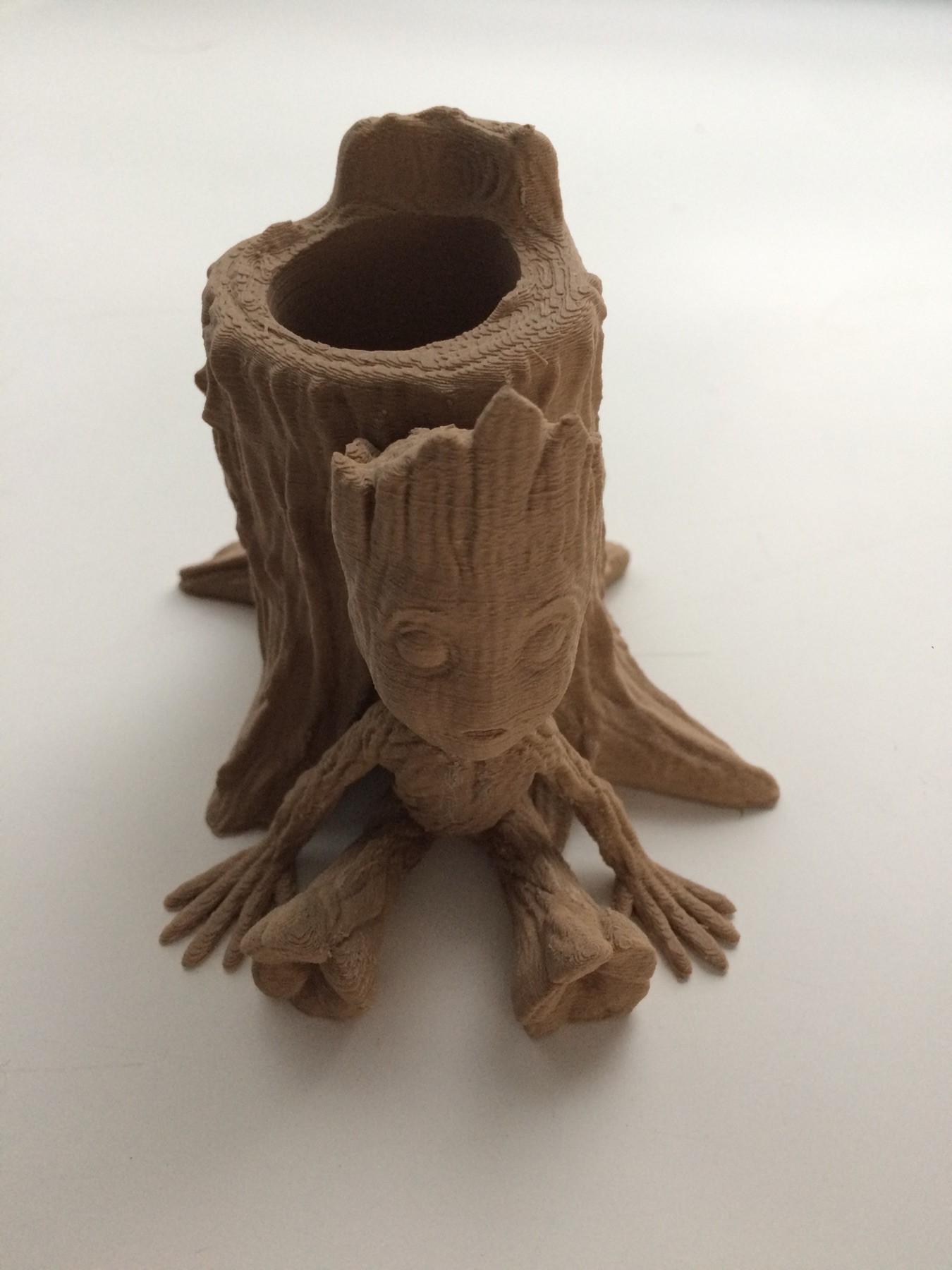
Pencil Holder design by Thingiverse user Caleb6543
Qidi Tech 1
Prints
Prints by Qidi Tech I of publicly available models. Sliced using Simplify3D and Cura 2.4
All prints shown here are licensed under Creative Commons - Attribution or Creative Commons - Attribution - Non-Commercial licenses and are credited accordingly. I do not claim any ownership of these designs but retain the rights to these images under the Creative Commons - Attribution - Non-Commercial license agreement. These prints are meant to demonstrate my understanding of the use, maintenance, and enhancement of 3d printers and their associated control software.
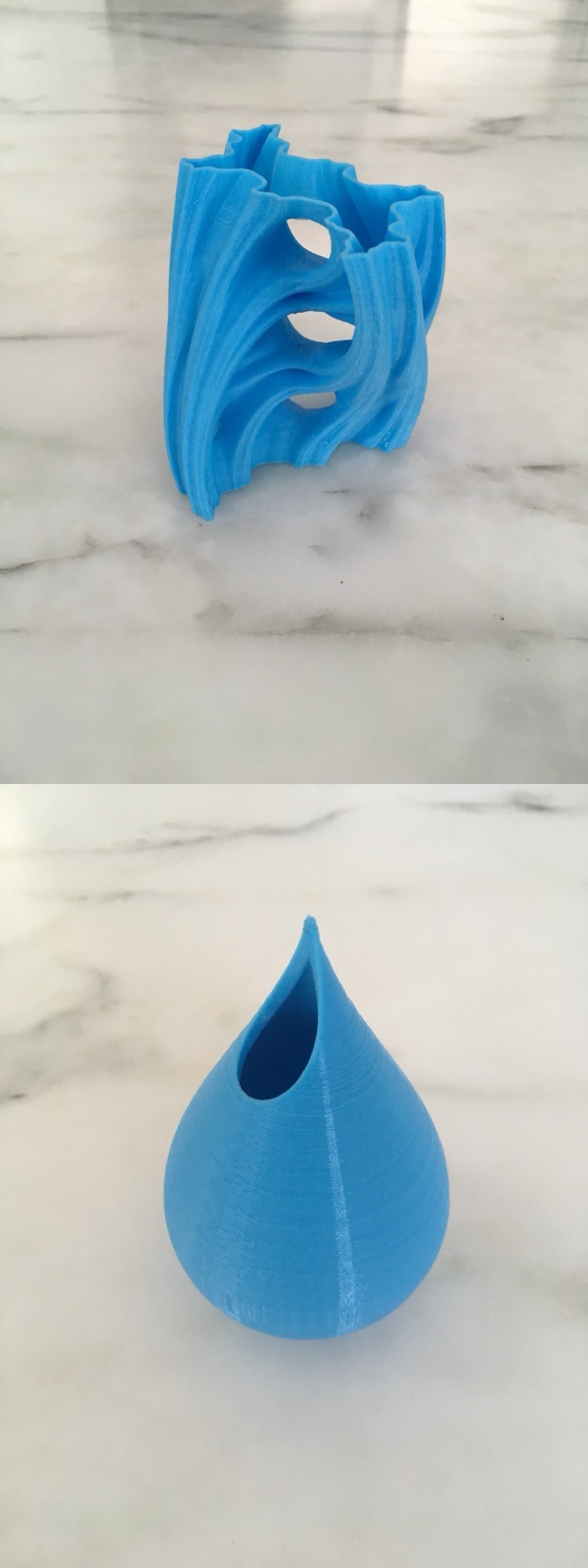
Aqua Julia Vase design by Thingiverse user Virtox
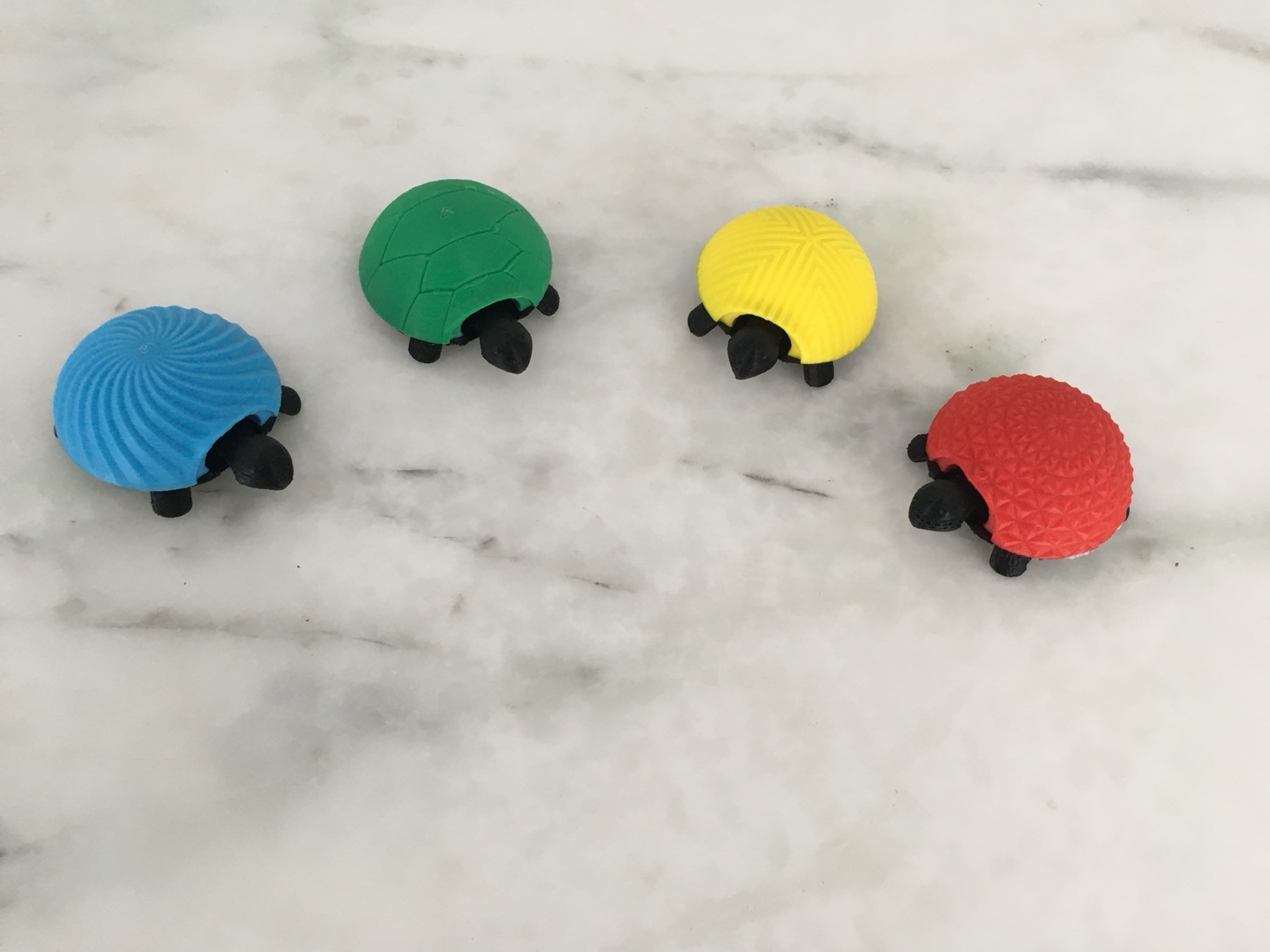
Squishy Turtle design by Thingiverse user jakejake
Mechatronics
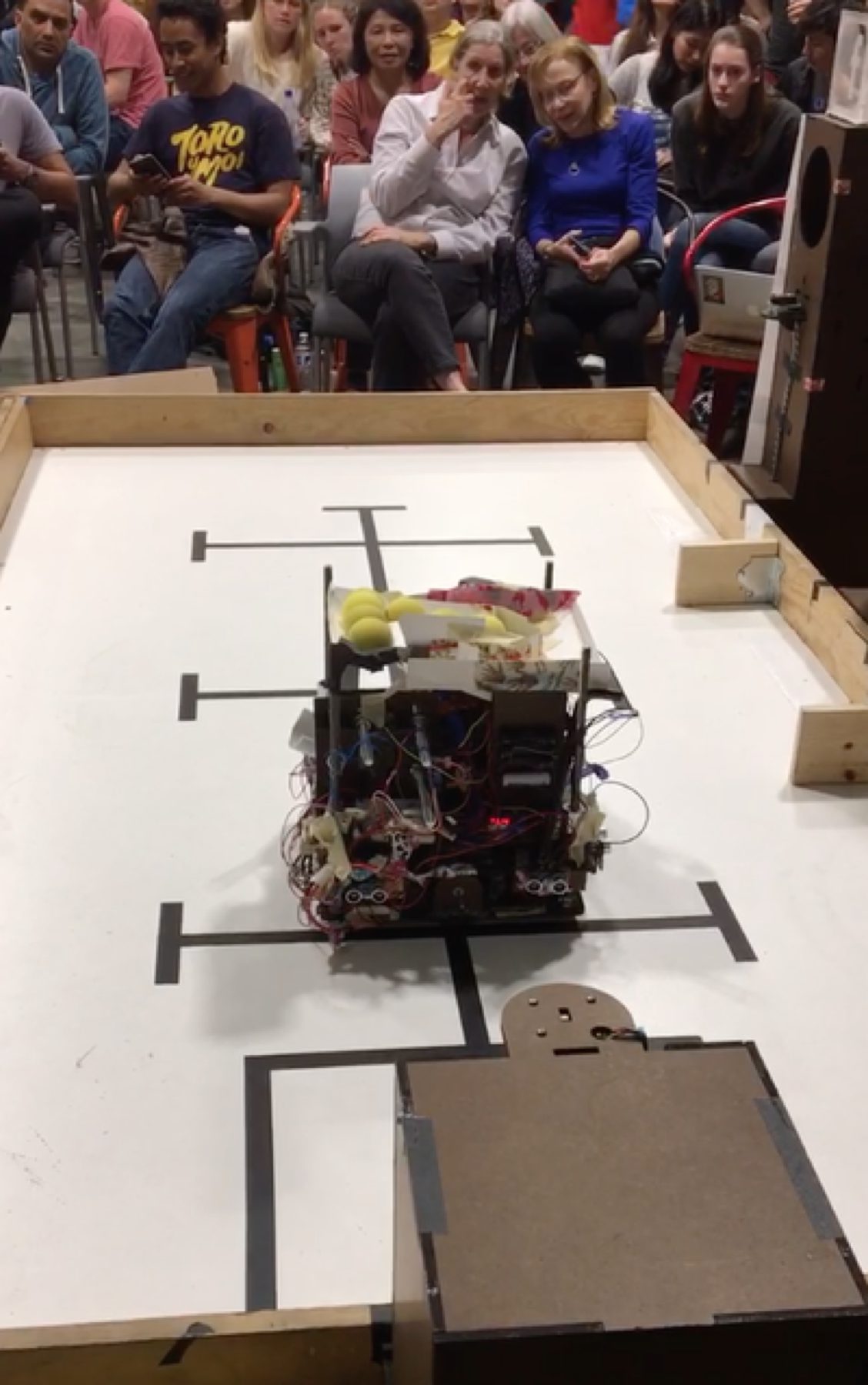
In Competition
Samwise Gamg-E
An autonomous robot that can navigate an arena using a variety of sensors, positioning and orienting itself to fire nerf balls through a 6" diameter hole roughly 8 feet away.
Duron and steel threaded stud frame. Various microcontroller, motor, navigation, hopper and firing system parts.
Laser-cut frame. Original design personally assembled, tested, and calibrated.
The class competition was performed in the spirit of the 2016 Presidential Election. Our competition in particular was meant to reflect the media war that took place in that election. As such, the website may refer to arenas as "media echo chambers," towers as "media sites," nerf balls as "alternative facts," and nerf ball blockers as "fact checkers." In this context, our project goal was to navigate our side’s echo chamber and fire as many alternative facts into the opposing side’s media sites as possible in order to "win" those media sites while fact checking our own towers to prevent the opposing team from firing alternative facts into our own sites. The side with the most sites won would be declared the winner after a little over two minutes. All robot contestants were required to fit within a 12" x 12" x 12" cube. Due to Stanford policy I cannot post the official class project description but you are welcome to ask me any questions.
Testing the firing mechanism to calibrate the flywheel height
Our first attempt at an orient function using ultrasonic sensors
First successful completion of all state transitions
Calibrating the firing system when mounted, in the arena
Testing all the incorporated subsystems
Testing different hopper designs to ensure better ball flow
*Read the full project description (PDF).
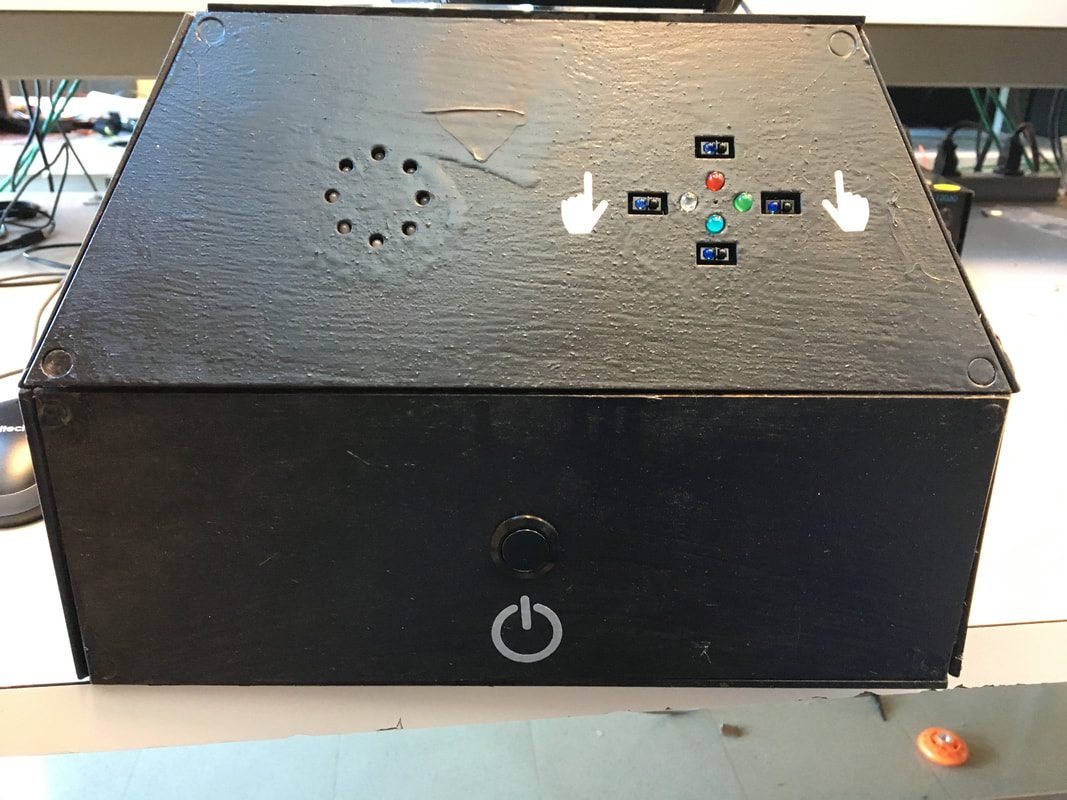
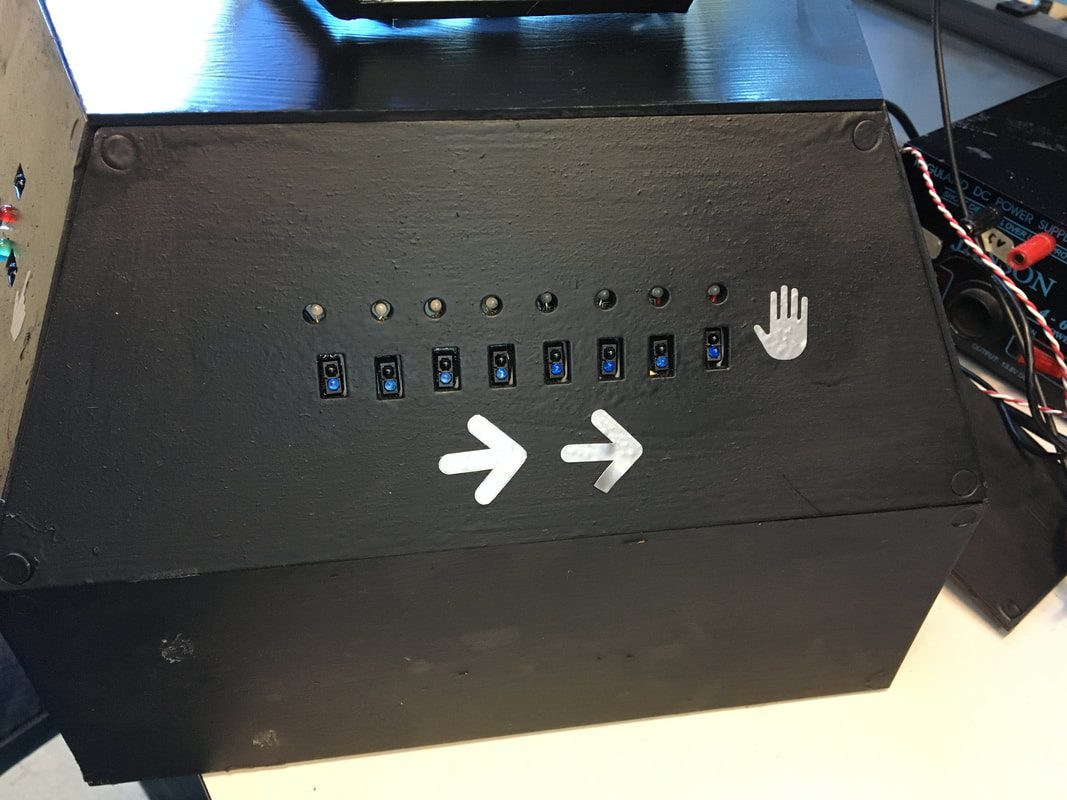
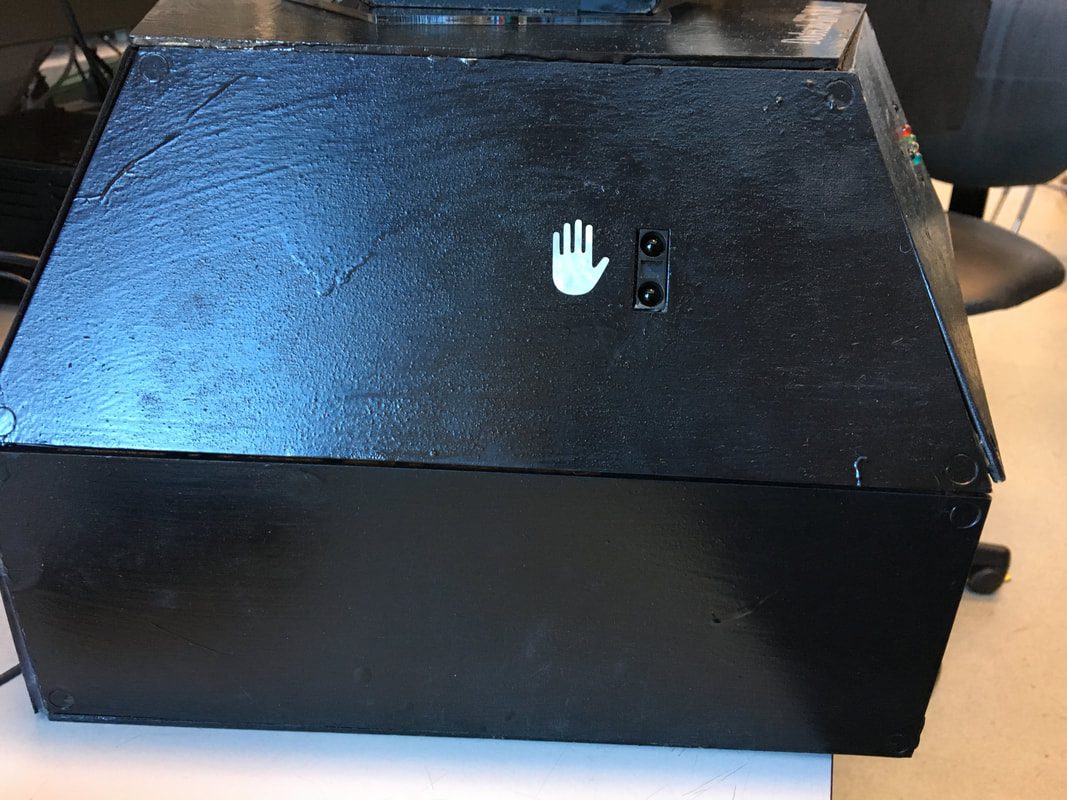
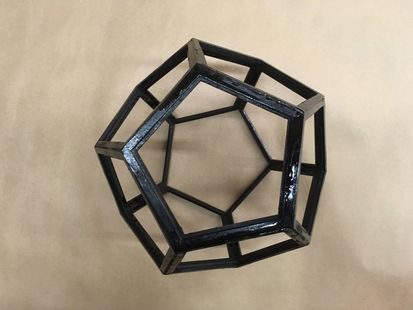
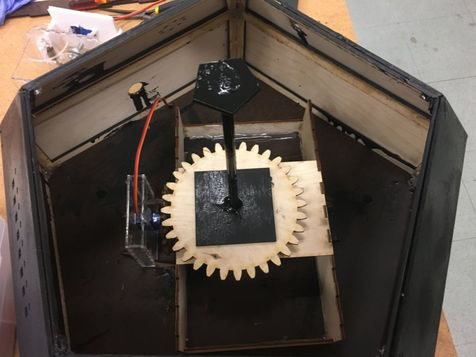
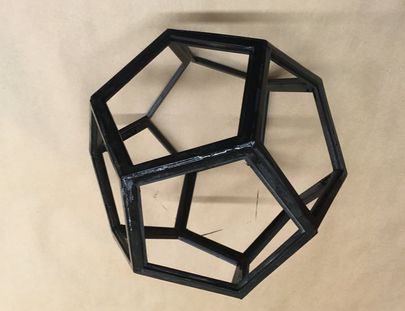
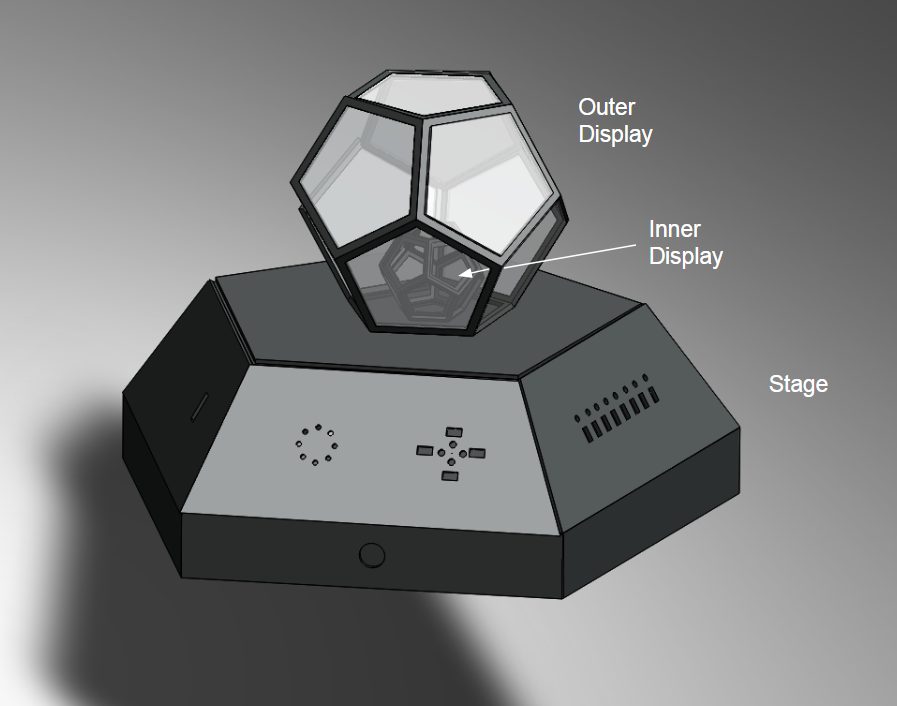
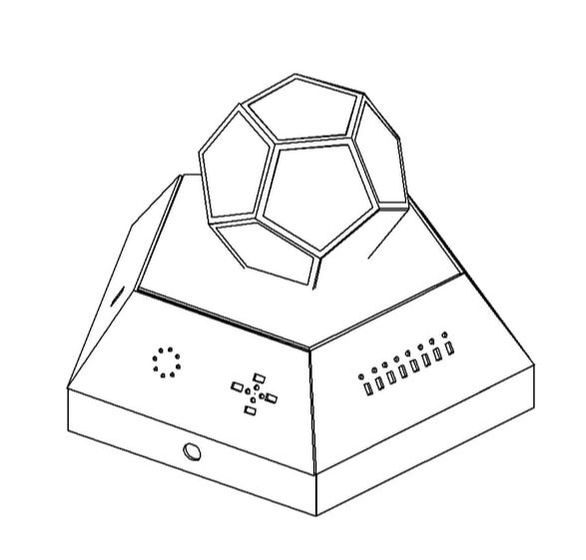
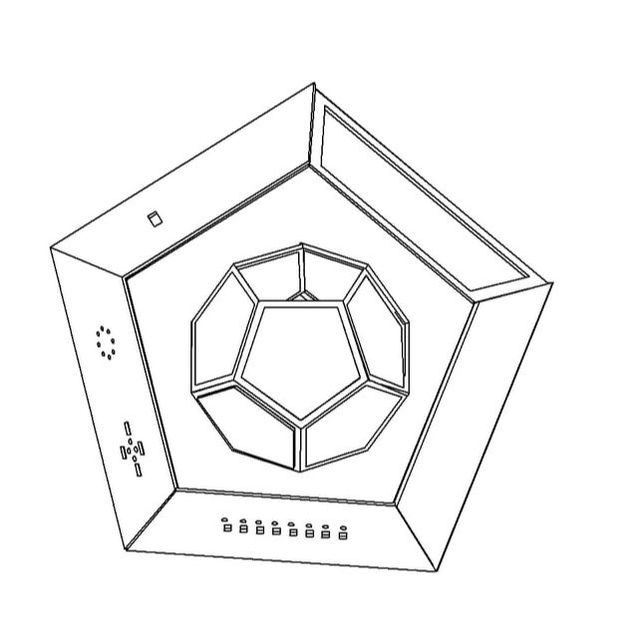
DodecaheTRON
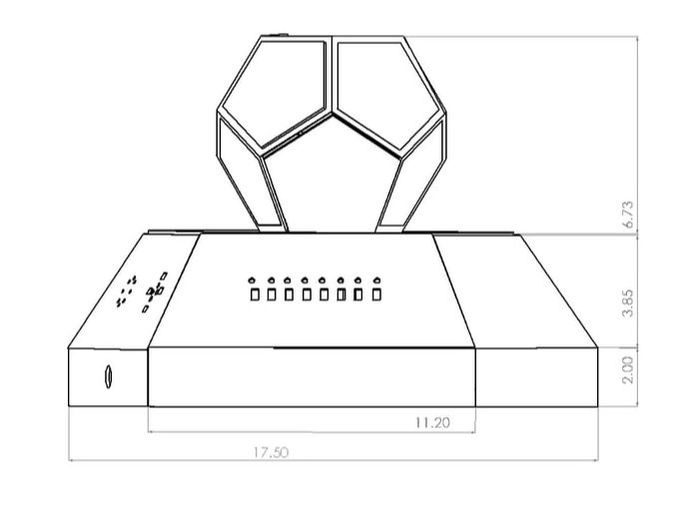
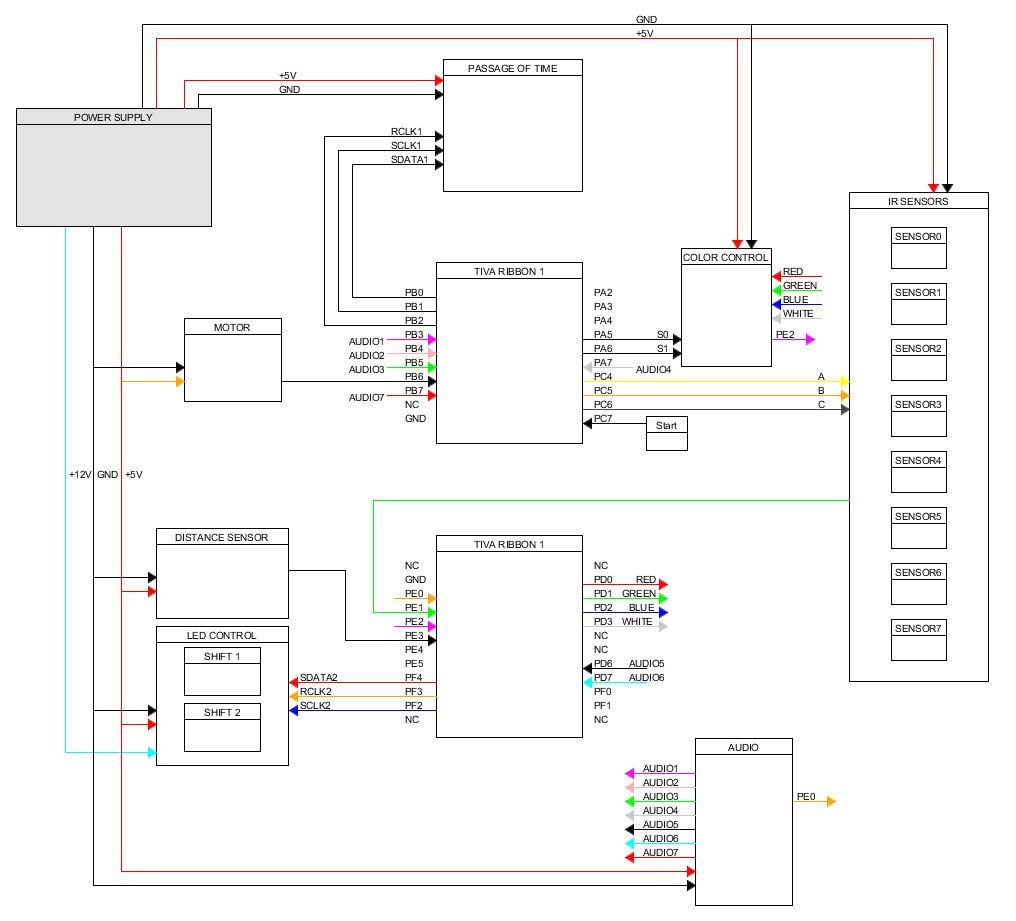
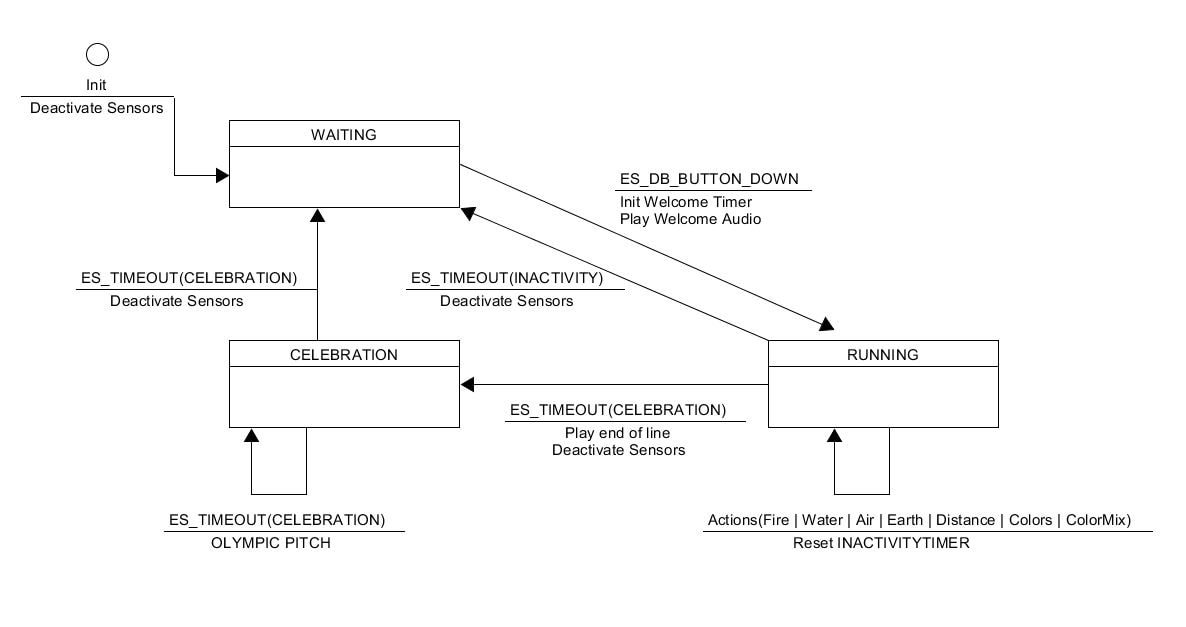
An interactive “Automated Representation of Kulture” built for Stanford’s ME 218A smart-product design course. A rotating, two-way-mirror dodecahedron sits on a magnetically-paneled stage; visitors touch tape sensors to summon the planet’s four elements — water, fire, air, and earth — tune the LED colors, and wave at a proximity sensor to speed up or slow its spin, all synchronized with light and audio. A single TIVA microcontroller running a hierarchical state machine drives the sensors, servos, LEDs, and sound. Built with Kevin Johnson, Ian McColl, and Jing Zhao.
Linkage Systems
Kangaroo Walker
A small autonomous walker that mimics the pentapedal gait of a kangaroo and reliably traverses rough paving stone. Powered by a 3V battery pack delivering 2.6V to a single Tamiya 6 Speed H. E. motor, it successfully crossed Meyer Circle, our test site. With a transmission ratio of 196.7:1 and a belt system powering five 4-bar linkages representing forelimbs, hind limbs, and a tail, it accurately recreated pentapedal locomotion. Traveling at 11.2 cm/s, it overcame wet and windy conditions and maintained a straight course without intervention. Force plate analysis demonstrated that its force and power generation were proportional to those of a real kangaroo.
Our kangaroo walker’s frame shape, limb placement, limb curves, and limb synchronization were all designed to closely mimic that of a biological kangaroo. The kangaroo walker moved most effectively when these limbs were synchronized in a biomimetic manner. As a result, the force and power generation sequence of our kangaroo walker limbs in the vertical and fore-aft directions were highly biomimetic. For a more detailed description of the design process regarding this project — read the full report.